If you’re a woman and have chin hair, pay attention.
See what this could mean.
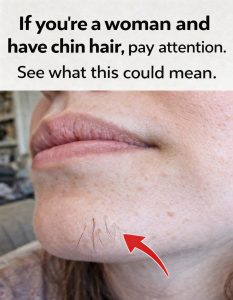
Chin Hair in Women: What Causes It and When to Pay Attention to Your Hormones
Noticing a stray chin hair—or a few more than usual—can catch you off guard and spark worry about what your body is trying to tell you. For many women, it’s a minor annoyance tied to everyday factors like genetics or age, but when it feels sudden or excessive, it often stirs up questions about hormonal shifts and overall well-being. The good news is that understanding the common reasons behind it can bring clarity and peace of mind. In this guide, we’ll explore the typical causes, signs that deserve a closer look, and practical ways to manage it comfortably—plus one surprising lifestyle connection that many women overlook until later in the article.
Is Chin Hair Normal for Women?
Yes, a small amount of chin hair is completely normal for a lot of women. Everyone has fine, light vellus hair covering much of the body, including the face. In some cases, this hair can become darker or coarser due to natural variations in hormone sensitivity.
Genetics and ethnicity play big roles here. Women from certain backgrounds may notice more noticeable facial hair as part of their natural pattern. Research from sources like the Cleveland Clinic and Mayo Clinic shows that mild facial hair often stems from normal androgen (male hormone) activity that hair follicles respond to differently from person to person.
But here’s where it gets interesting: when the hair changes noticeably—becoming thicker, darker, or more abundant—it may reflect shifts in hormone balance rather than just genetics.
Common Reasons Behind Chin Hair Growth
Several factors can contribute to increased chin hair. Most are harmless, but some point to broader hormonal patterns worth monitoring.
1. Everyday Hormonal Fluctuations
Hormones like testosterone (present in small amounts in women) can influence hair growth. Temporary spikes from stress, lack of sleep, or menstrual cycle phases may make a few hairs stand out more. Studies indicate these fluctuations are common and often resolve on their own.
2. Polycystic Ovary Syndrome (PCOS)
PCOS is one of the most frequent explanations for excess facial hair in women of reproductive age. This condition involves higher androgen levels, which can lead to coarser hair on the chin, upper lip, or other areas.
Other signs often appear alongside it:
- Irregular or missed periods
- Persistent acne
- Difficulty managing weight
- Thinning hair on the scalp
According to organizations like the Endocrine Society and Johns Hopkins Medicine, PCOS affects hormone regulation and is a leading cause of hirsutism (excessive hair growth in male-pattern areas).
3. The Menopause Transition
As estrogen declines during perimenopause and menopause, androgens can have a relatively stronger influence. Many women notice new or increased facial hair, including on the chin, during this natural phase.
This shift is common and discussed widely in women’s health resources, such as those from the Mayo Clinic, where hormonal changes allow existing fine hairs to become more prominent.
4. Family Genetics and Ethnicity
If close relatives have similar hair patterns, it’s likely inherited. Some women have hair follicles that are simply more responsive to normal androgen levels—no imbalance required.
